
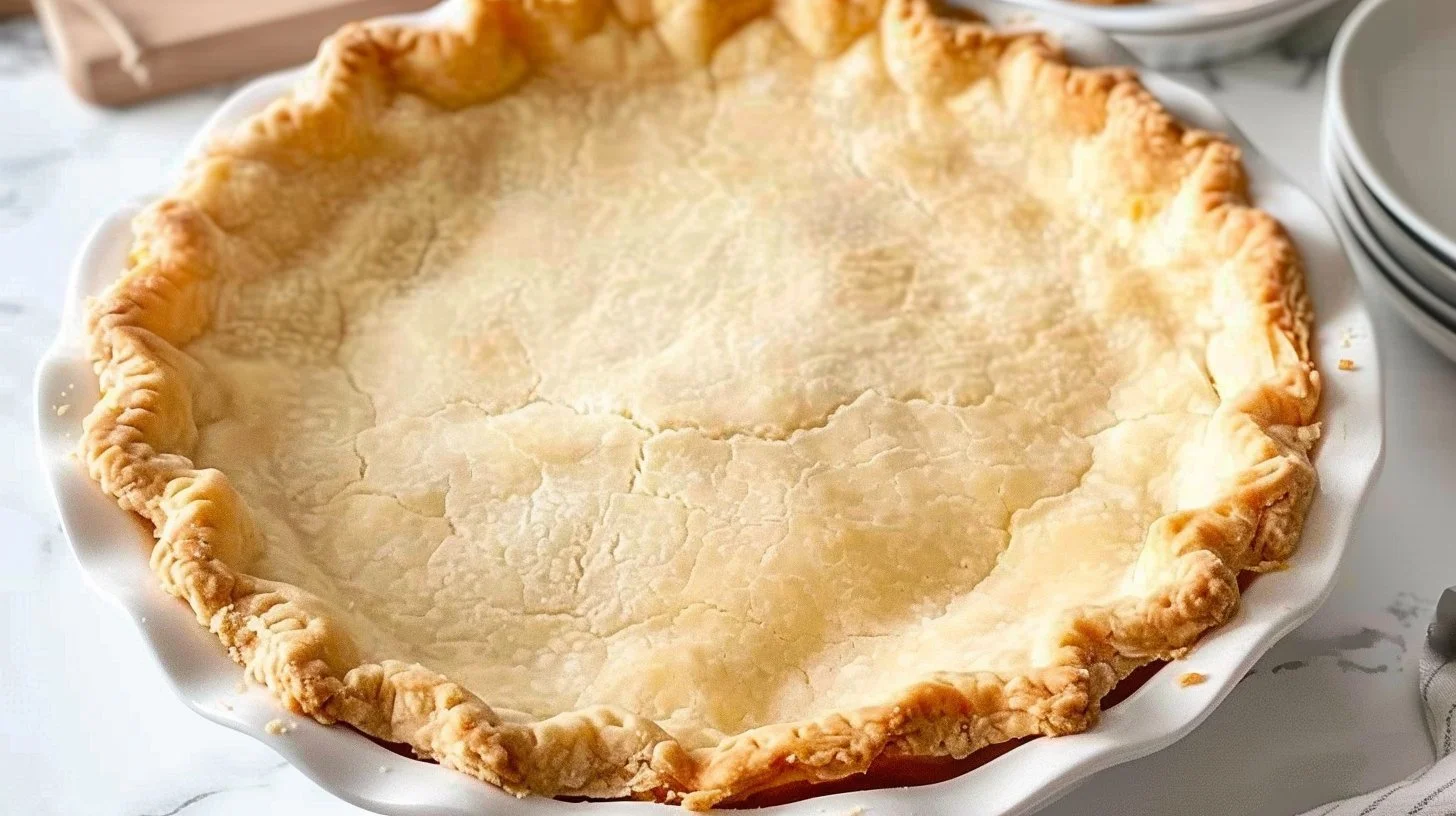
Looking for a pie crust that’s as tender and flaky as its gluten-containing counterparts? Look no further! This Gluten-Free Pie Crust is the perfect solution for anyone on a gluten-free diet or looking to explore new baking avenues. This crust is so delicious and easy to work with that you won’t even miss the gluten! Whether filling it with a classic apple pie filling, a rich chocolate ganache, or a fresh berry mix, you’re in for a delightful treat. In this post, we’ll walk through everything you need to know about making this crust, from ingredients to serving suggestions, so get ready for your new go-to pie crust recipe!
Why You’ll Love This Gluten-Free Pie Crust
This gluten-free pie crust isn’t just about being free of gluten; it’s about embracing flavor, texture, and ease of preparation. Here are a few reasons why you’ll adore this recipe:
- Quick and Easy: With minimal ingredients and straightforward steps, you can whip up this pie crust in no time!
- Perfect for Beginners: This recipe is forgiving and designed to help even novice bakers feel confident in the kitchen.
- Ideal for the Whole Family: Whether you’re gluten-free or not, your family will love this crust, making it a hit for gatherings or weekend baking.
- Versatile: From sweet to savory, this crust serves as the perfect base for a variety of delicious pie fillings!
- Economical: Making your own crust at home saves you money on store-bought versions, plus you know exactly what goes into it!
The Necessary Ingredients
Before we dive into the preparation, let’s take a look at the simple ingredients you’ll need to create your gluten-free pie crust. These items are pantry staples that you may already have on hand!
Ingredients:
- 1 1/4 cups gluten-free all-purpose flour
- 1/4 teaspoon salt
- 1/2 cup unsalted butter, chilled and cubed
- 1/4 cup ice water
Notes and Substitutions on Ingredients:
- Gluten-Free All-Purpose Flour: This is the star of the show! Make sure to use a blend that includes xanthan gum for better elasticity. If you have a different type of gluten-free flour on hand, such as almond flour or coconut flour, note that they will alter the texture and flavor of the crust significantly, so use with caution.
- Unsalted Butter: Using unsalted butter allows you to control the saltiness of your pie crust. If you need a dairy-free version, consider using coconut oil or vegan butter in equal parts.
- Ice Water: This is crucial for keeping the butter cold and creating a flaky texture. If your kitchen is warm, adding ice cubes to your water is a good trick!
How to Prepare the Gluten-Free Pie Crust Step by Step
Follow these steps to achieve the perfect gluten-free pie crust. Each step is designed to help you understand how to create a fantastic base for your pies!
- Combine the Flour and Salt
- In a large mixing bowl, whisk together 1 1/4 cups of gluten-free all-purpose flour and 1/4 teaspoon of salt. Ensuring that these dry ingredients are mixed well distributes the salt evenly throughout the crust.
- Pro Tip: Use a whisk to aerate the flour; this adds lightness to your crust.
- Add the Butter
- Add 1/2 cup of chilled and cubed unsalted butter into the flour mixture. Use a pastry cutter or your fingers to work the butter into the flour until it resembles coarse crumbs.
- Pro Tip: Keeping the butter cold is essential. If it begins to melt, pop the mixture back in the refrigerator for a few minutes.
- Incorporate the Ice Water
- Gradually mix in 1/4 cup of ice water, stirring until the dough begins to hold together but is not sticky. Avoid overmixing, as this can lead to a dense crust.
- Pro Tip: Add a tablespoon of water at a time and stop as soon as the dough comes together.
- Chill the Dough
- Shape the dough into a disk, wrap it in plastic wrap, and refrigerate for at least 30 minutes. Chilling the dough helps relax the gluten-free flour, yielding a better texture.
- Pro Tip: If you’re short on time, a quick 15-minute chill in the freezer can work too!
- Preheat the Oven
- Preheat your oven to 375°F (190°C). This temperature is perfect for achieving a golden brown crust.
- Roll Out the Dough
- On a floured surface (use gluten-free flour), roll out the dough to fit your pie dish. Aim for a thickness of about 1/8 inch to ensure it bakes evenly.
- Pro Tip: Dust your rolling pin with flour to prevent sticking, and rotate the dough frequently for an even shape.
- Transfer to the Pie Dish
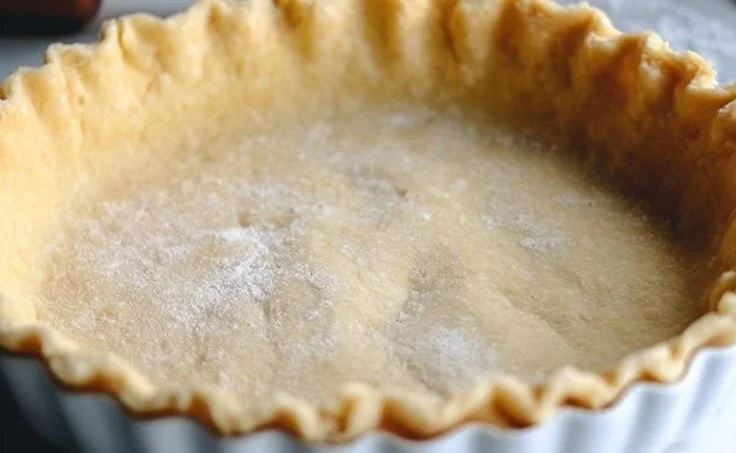
- Gently transfer the rolled-out dough to your pie dish. Trim any excess dough and flute the edges if desired to give your pie a touch of elegance.
- Pro Tip: To avoid tears, lift the dough using the rolling pin to place it into the dish.
- Bake the Crust
- Place the pie crust in the preheated oven and bake for 25-30 minutes, or until the crust is golden brown.
- Pro Tip: If the edges brown too quickly, cover them with aluminum foil to prevent burning.
- Let Cool
- Once baked, remove the crust from the oven and let it cool before adding your favorite filling. This step ensures your filling doesn’t become soggy.
- Pro Tip: For a pre-baked crust, you can cool it down to room temperature before filling it!
Serving Suggestions
Now that you’ve made your delicious gluten-free pie crust, let’s explore some fantastic ideas to serve it:
Perfect Pairings:
- Beverages: A lovely vanilla almond milkshake pairs beautifully with fruit pies, while a warm chai latte complements nut-based fillings.
- Sides: A refreshing arugula salad dressed with lemon vinaigrette contrasts nicely with heavier, creamier pies.
Occasions:
- Weeknight Dinner: Use this crust for a quick quiche filled with your favorite vegetables and cheese.
- Special Occasion Meal: Indulge your guests with a stunning fruit tart topped with fresh berries for a summer gathering.
Serving Tips:
- Serve your pie warm with a scoop of vanilla ice cream or whipped cream for a perfect finish.
- Dust with powdered sugar or drizzle with chocolate sauce for an elegant presentation.
Storage and Reheating Tips
Got leftover gluten-free pie crust or pie? Here’s how to store it and keep it delicious:
Refrigerated
- Duration: Store in an airtight container for up to 3 days.
- Container: Use a pie dish cover or press plastic wrap tightly to minimize air exposure.
Freezed
- Duration: Freeze for up to 3 months if you need to store the crust raw.
- Packaging: Wrap tightly in plastic wrap and then in aluminum foil to prevent freezer burn; label with the date!
Reheating
- Best Method: To reheat, place the crust in a 350°F (175°C) oven for about 10-15 minutes until warmed through.
Guaranteed Success Tips
Follow these golden rules to ensure your pie crust comes out flawless every single time:
- Don’t Overmix the Dough: Just mix enough to incorporate the flour; this will allow the crust to remain tender.
- Keep Ingredients Cold: Ensuring the butter and water are cold is key to achieving a flaky texture.
- Chill the Dough: Always refrigerate the dough before rolling to prevent it from becoming too sticky.
- Check Oven Temperature: Use an oven thermometer to ensure your oven is at the correct temperature, as inconsistent heat can affect baking.
Recipe Variations
Feel free to get creative with your gluten-free pie crust! Here are three delicious variations to try:
- For a Nutty Flavor: Add 1/4 cup of finely ground almond flour to the mixture for a rich, nutty taste that complements sweet pies beautifully.
- For a Herb-Infused Crust: Mix in 1 teaspoon of dried herbs like rosemary or thyme for a savory pie crust that’s perfect for quiches or savory tarts.
- For Chocolate Lovers: Substitute 2 tablespoons of cocoa powder for an equal amount of flour for a rich chocolate pie crust that pairs wonderfully with ganache or mousse fillings.
Frequently Asked Questions (FAQ)
Q: Can I use regular all-purpose flour instead of gluten-free flour?
- A: This recipe is specifically designed for gluten-free flour; using regular flour will alter the texture and make it unsuitable for those with gluten sensitivities.
Q: My pie crust shrank during baking. Why is that?
- A: Shrinkage often occurs if the dough is too warm when placed in the oven. Chilling the dough before baking helps to minimize shrinkage.
Q: How thick should the pie crust be when rolling out?
- A: Aim for a thickness of about 1/8 inch for an ideal balance of texture and support for your fillings.
Q: Can I pre-bake the crust?
- A: Yes! If you’re making a pie that requires a custard or no-bake filling, pre-bake your crust according to the baking instructions and let it cool completely before adding the filling.
Q: How do I know when the crust is done baking?
- A: Look for a golden-brown color and the edges should be slightly darker. If a toothpick inserted in the bottom comes out clean, the crust is ready.
Q: What if my crust cracks while rolling it out?
- A: Don’t worry! Simply press the edges back together and patch any holes—gluten-free dough is forgiving.
Q: Can I use a gluten-free pie crust for savory pies?
- A: Absolutely! This crust works wonderfully for savory pies like quiches, pot pies, and tarts—not just sweets!
With this guide to your homemade gluten-free pie crust, you’re all set to master the art of pie-making, bringing joy to your kitchen and your taste buds. Happy baking!
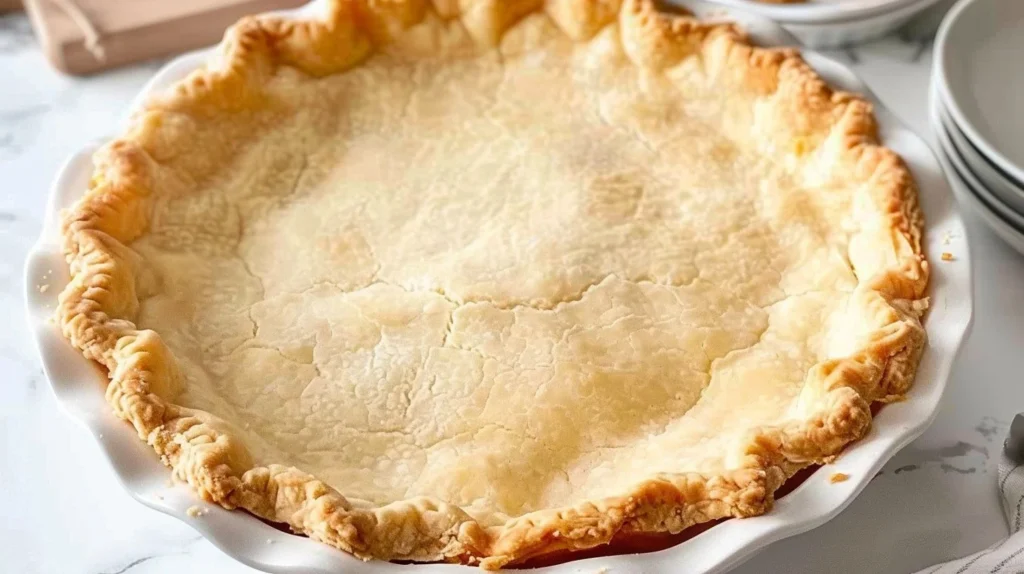
Gluten-Free Pie Crust
Ingrédients
Method
- In a large mixing bowl, whisk together gluten-free all-purpose flour and salt.
- Add chilled and cubed unsalted butter into the flour mixture. Use a pastry cutter or your fingers to work the butter into the flour until it resembles coarse crumbs.
- Gradually mix in ice water, stirring until the dough begins to hold together but is not sticky.
- Shape the dough into a disk, wrap it in plastic wrap, and refrigerate for at least 30 minutes.
- Preheat your oven to 375°F (190°C).
- On a floured surface, roll out the dough to fit your pie dish, aiming for a thickness of about 1/8 inch.
- Gently transfer the rolled-out dough to your pie dish and trim any excess dough.
- Bake the pie crust in the preheated oven for 25-30 minutes, or until golden brown.
- Let the crust cool before adding your favorite filling.